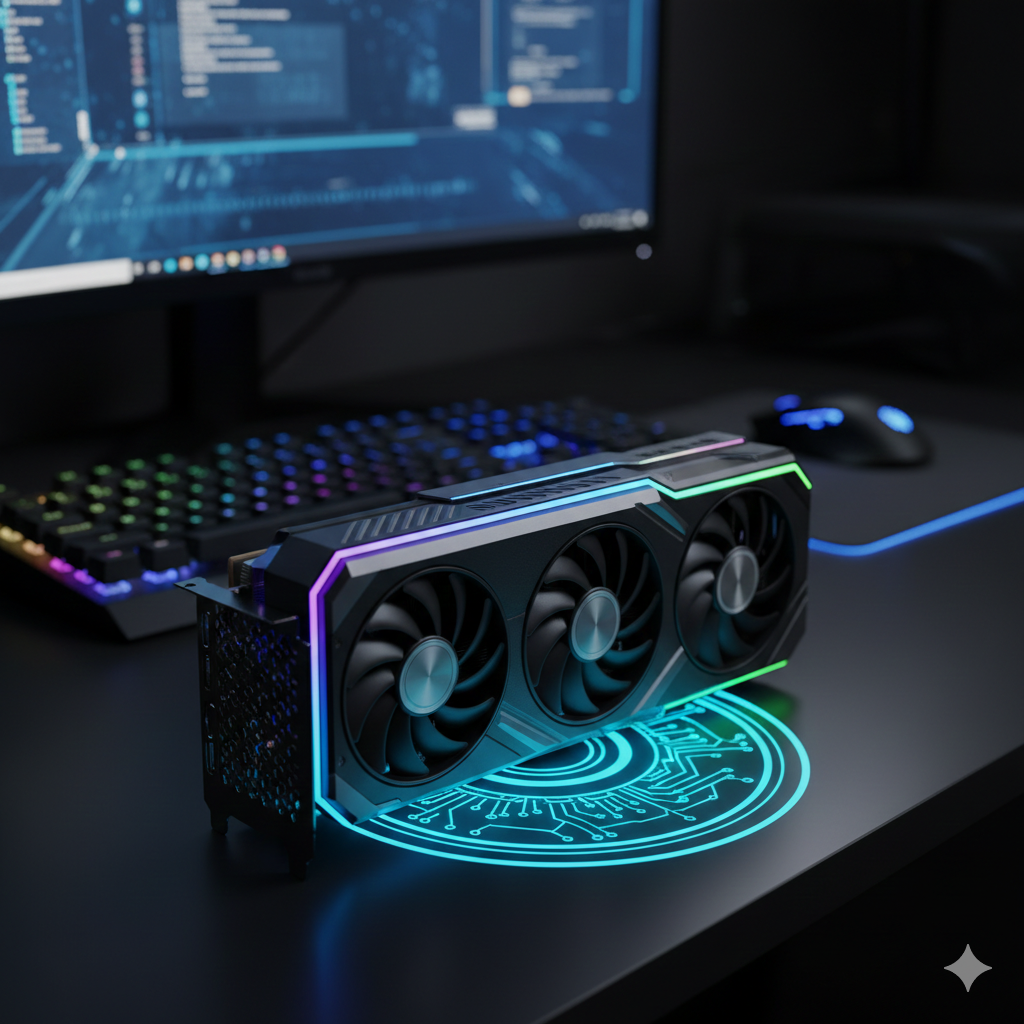
The 1440p Goldilocks: NVIDIA GeForce RTX 5070 Ti Review
GPU PRIX Editorial • 2026-02-01
VRAM
16 GB
Standard VRAM
Power
300W
TDP
Value Score
Analyzing...
MSRP
$749
At Launch
Market Intelligence
Niche Choice
The Upside
- •Excellent 1440p performance with Ultra settings
- •Generous 16GB GDDR7 VRAM for future-proofing
- •DLSS 4 Multi Frame Generation support
- •Solid entry-point for 4K gaming with AI upscaling
The Downside
- •Price remains high compared to previous '70' series generations
- •300W TDP requires a decent power supply
- •Incremental rasterization jump over the 4080 Super
NVIDIA GeForce RTX 5070 Ti: The Sweet Spot?
The GeForce RTX 5070 Ti has arrived as the "Goldilocks" GPU of the current market. Positioned between the mainstream 5070 and the enthusiast-grade 5080, it targets the largest segment of serious gamers: those playing at 1440p who want maximum settings without paying flagship prices.
With 8,960 CUDA cores and the shift to GDDR7 memory, the technical leap is significant, though its real-world performance often mirrors the legendary RTX 4080 but with the added benefits of the Blackwell architecture.
Performance Reality: 1440p and Beyond
In our testing, the 5070 Ti dominates the 1440p landscape. In titles like Cyberpunk 2077 or Black Myth: Wukong, it maintains high frame rates even with Path Tracing enabled, thanks to the efficiency of the 4th Gen RT cores.
For 4K users, this card is a viable entry point. While it doesn't have the raw horsepower of a 5090, using DLSS 4 allows for a "buttery smooth" experience that was previously reserved for $1,000+ cards.
Buying Guide: Is it worth the upgrade?
The 5070 Ti is for the gamer who wants longevity without the $1,500+ investment.
- VRAM Matters: The jump to 16GB is the real win here, ensuring you won't hit memory bottlenecks in modern AAA titles.
- The Competition: Keep an eye on the Radeon RX 9070 XT. While NVIDIA wins on features (DLSS/Ray Tracing), AMD often provides stiff competition in pure rasterization value.
- Power Needs: Ensure your PSU is at least 750W to handle the 300W transients safely.
Check Live Prices
Compare the latest deals and stock availability on GPU PRIX:


Deep Dive